Sauropoda › Dicraeosauridae › Amargasaurus
Amargasaurus
Amargasaurus cazaui
- Length 13 m
- Mass 4000 kg
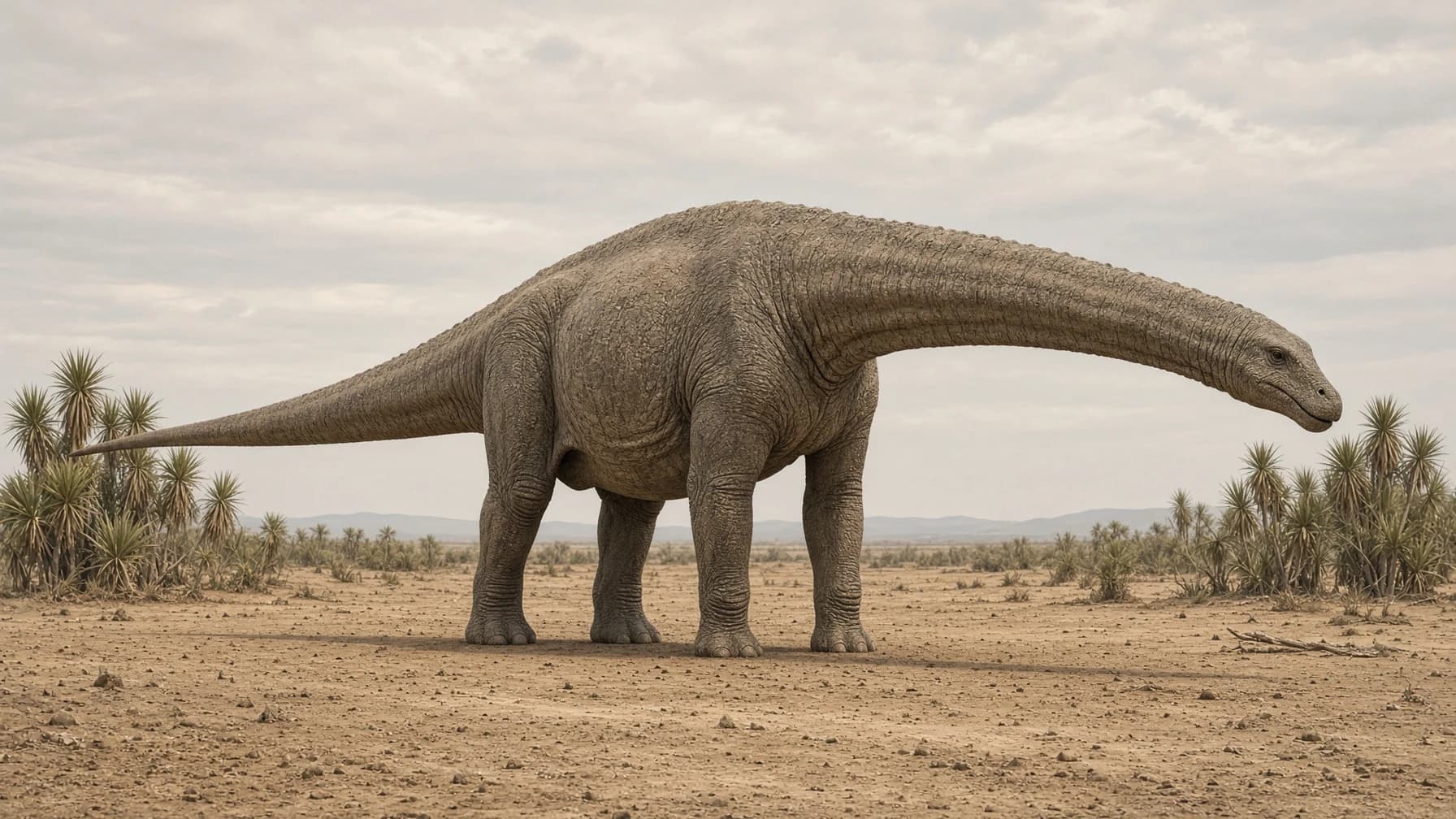
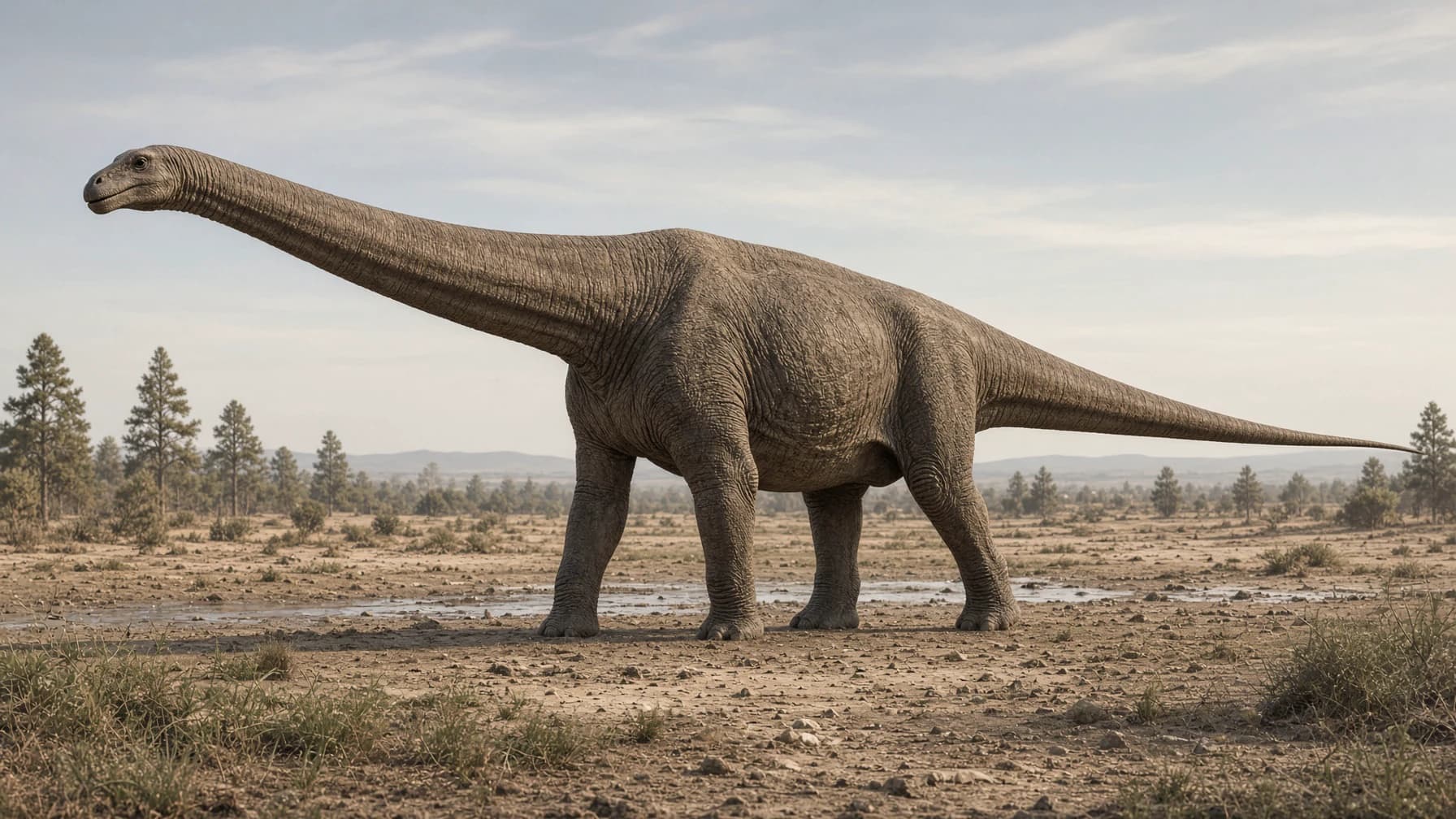
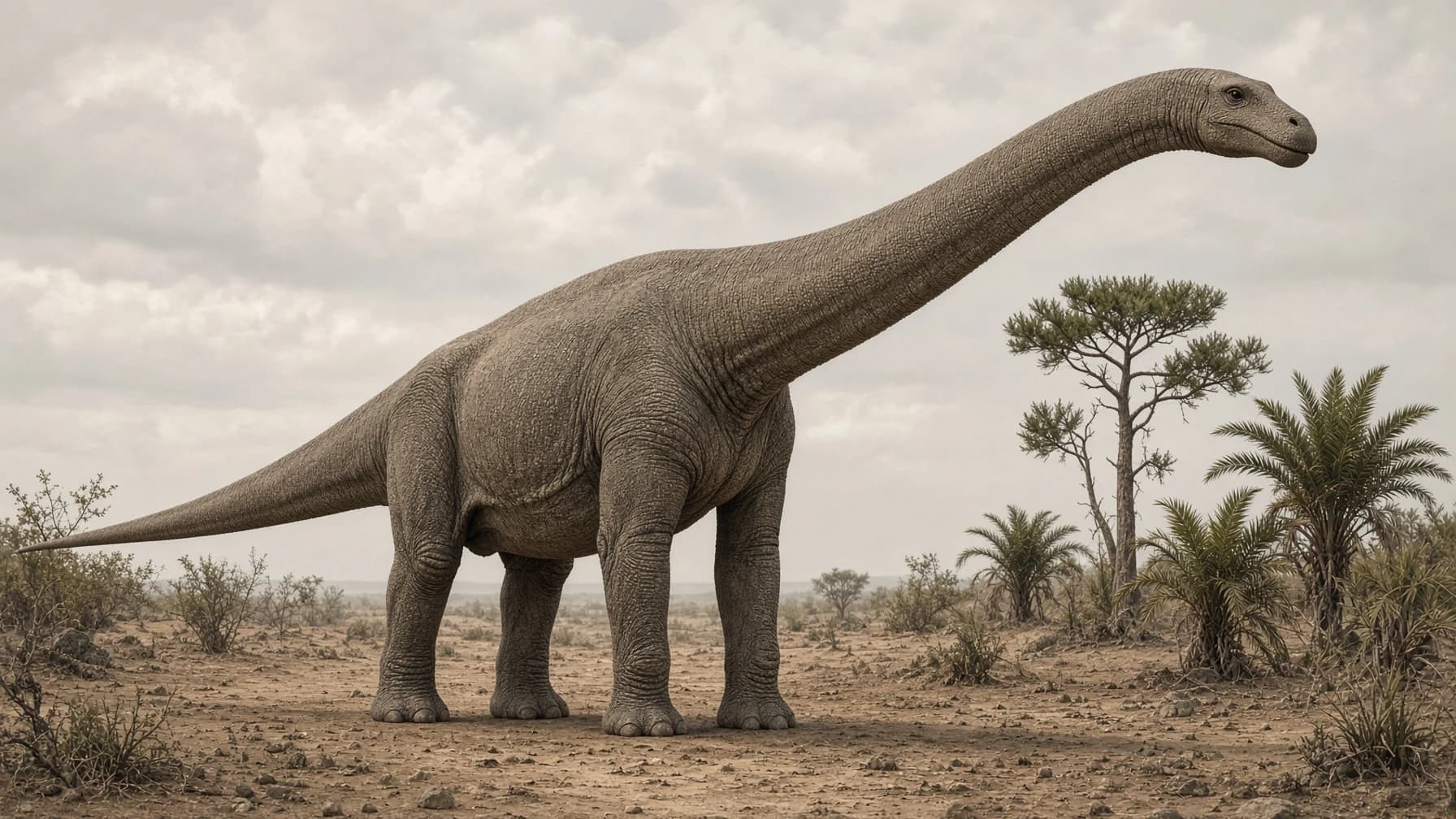
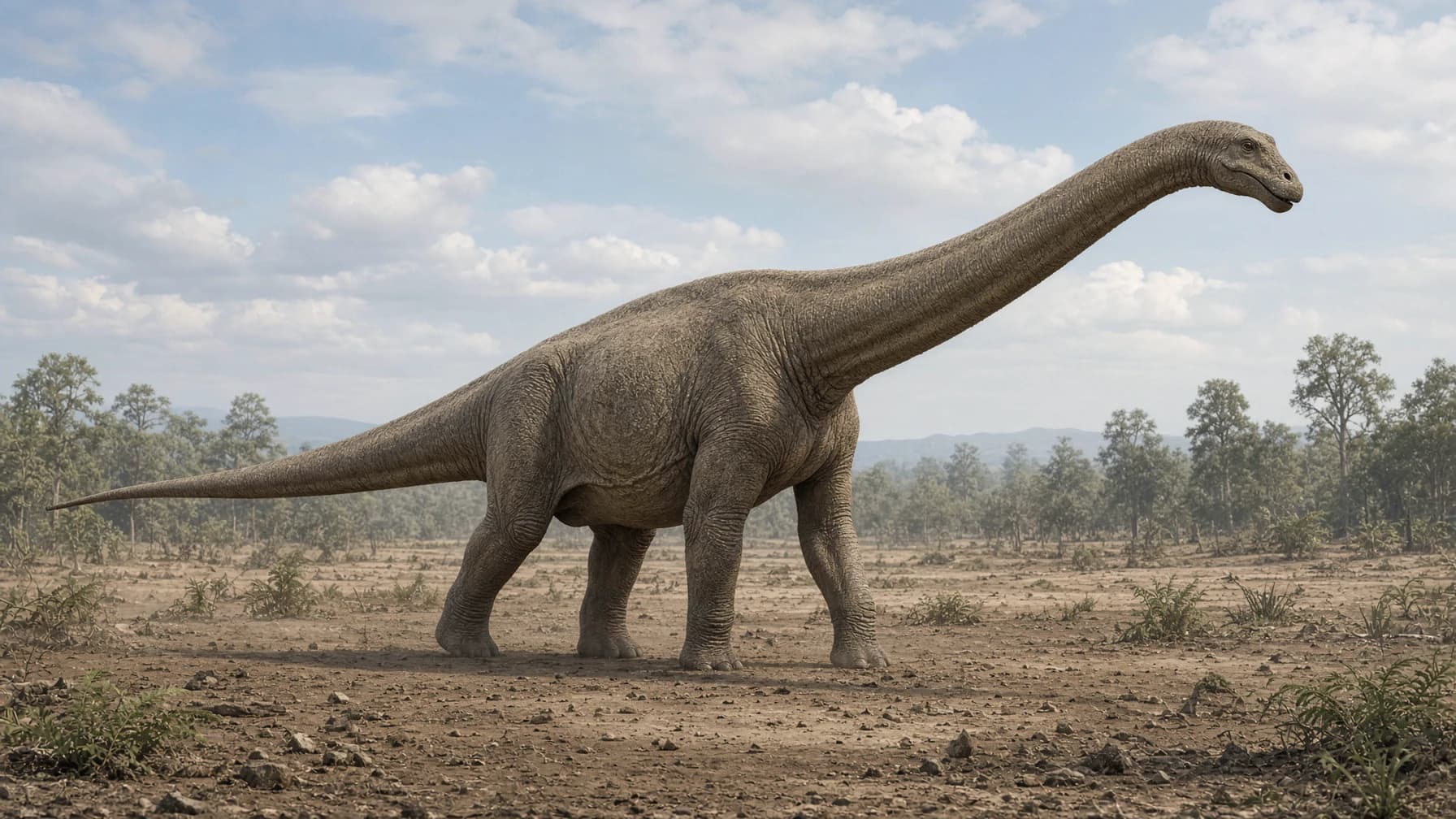
Amargasaurus is a genus of sauropod dinosaur from the Early Cretaceous epoch of what is now Argentina. The only known skeleton was discovered in 1984 and is virtually complete, including a fragmentary skull, making Amargasaurus one of the best-known sauropods of its epoch. Amargasaurus was first described in 1991 and contains a single known species, Amargasaurus cazaui. It was a large animal, but small for a sauropod, reaching 9 to 13 meters in length. Most distinctively, it sported two parallel rows of tall spines down its neck and back, taller than in any other known sauropod. Several studies postulated that, in life, the spines stuck out of the body as individual structures that supported a horn sheath. Analysis of the bone structure suggests that the spines were connected by ligaments and could have formed a scaffold supporting a neck sail. They might have been used for display, combat, or defense.
Attributes
- Length
- 13 m
- Mass
- 4000 kg
- Time range
- 125.77 - 121.4 Ma
- Size class
- Large
- Region
- Argentina
Sources
Facts are drawn from the Paleobiology Database and Wikipedia. Images are reconstructions, not photographs.