Theropoda › Carcharodontosauridae › Giganotosaurus
Giganotosaurus
Giganotosaurus carolinii
- Length 12.5 m
- Mass 8000 kg
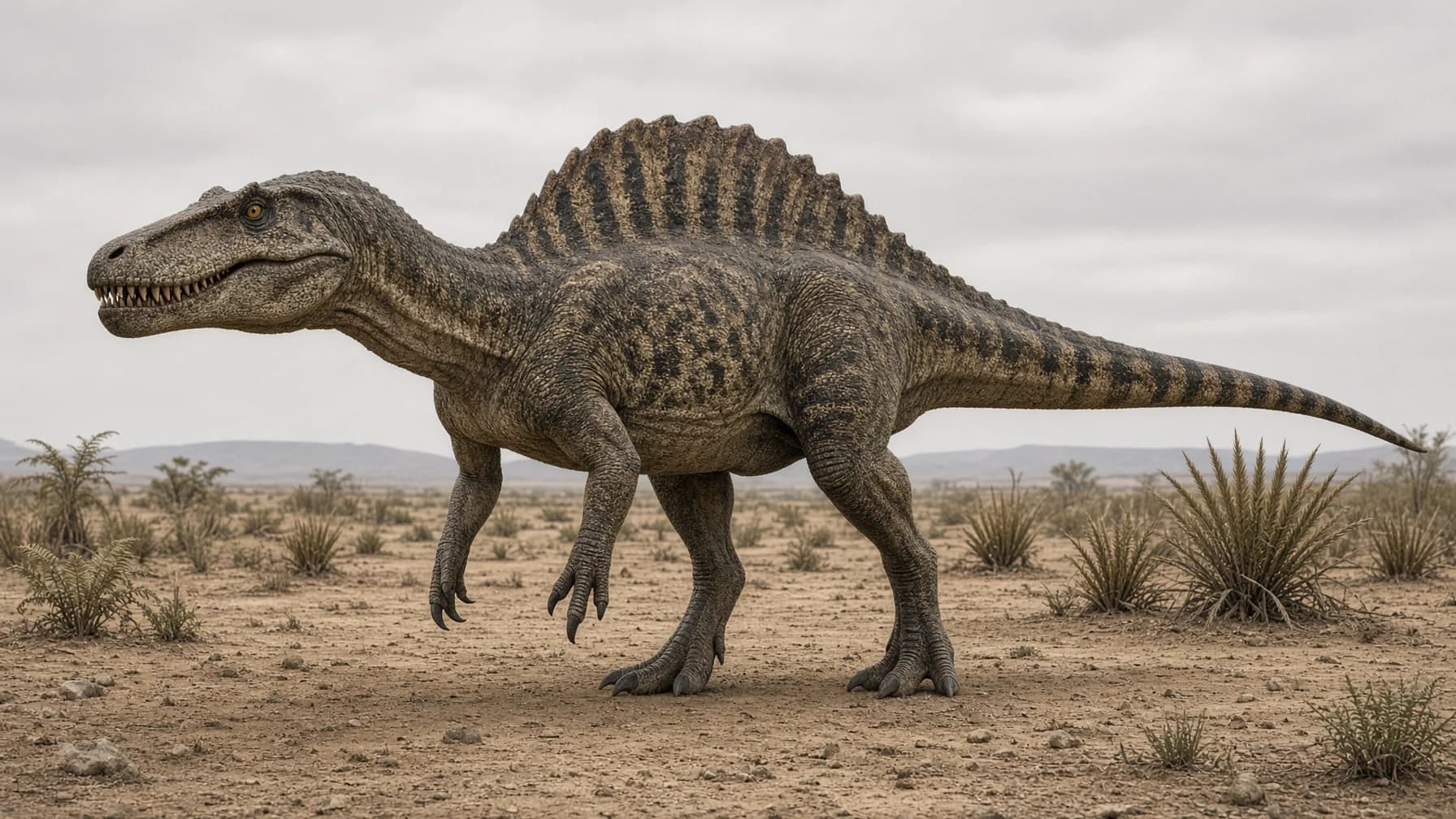
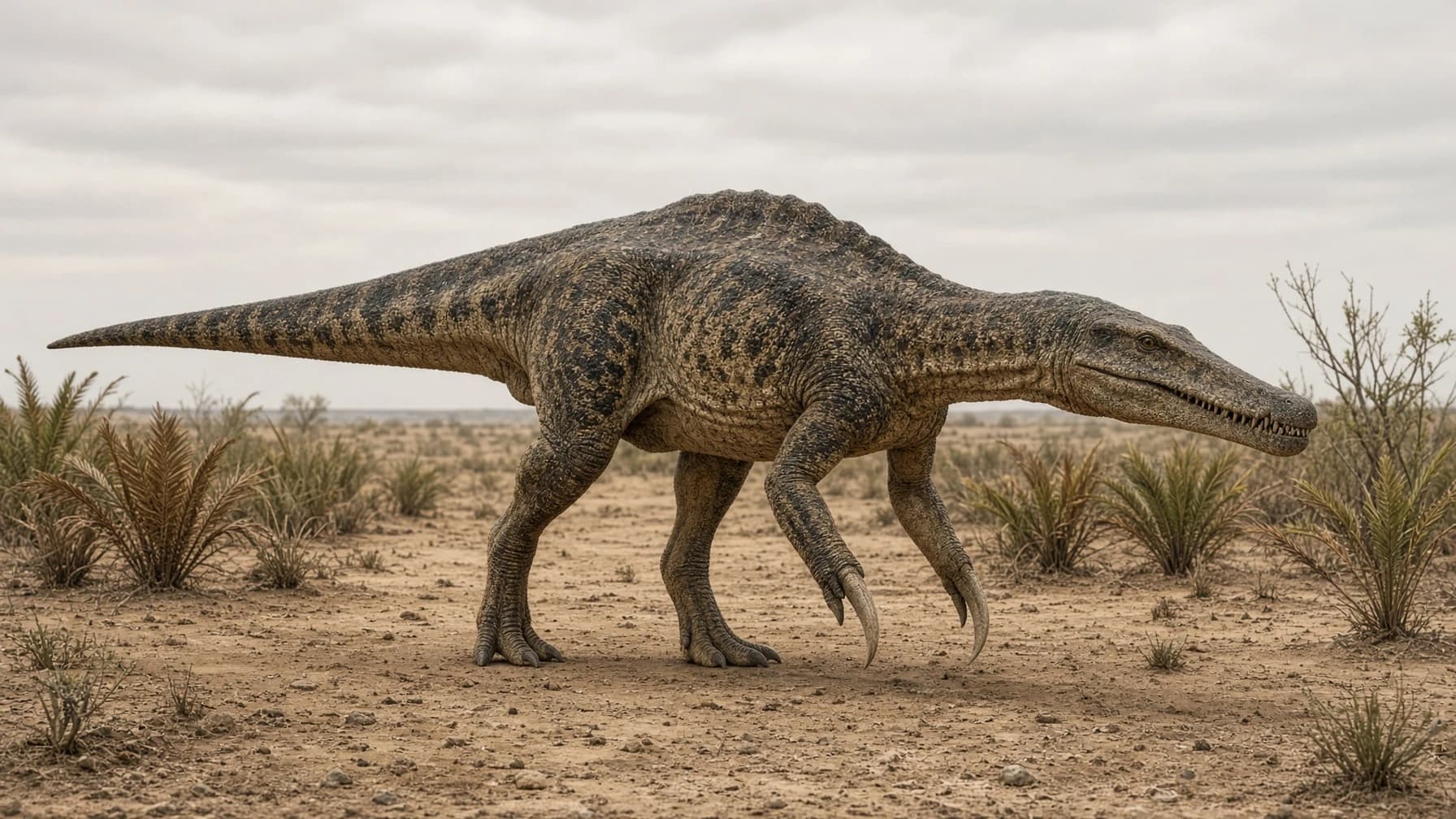
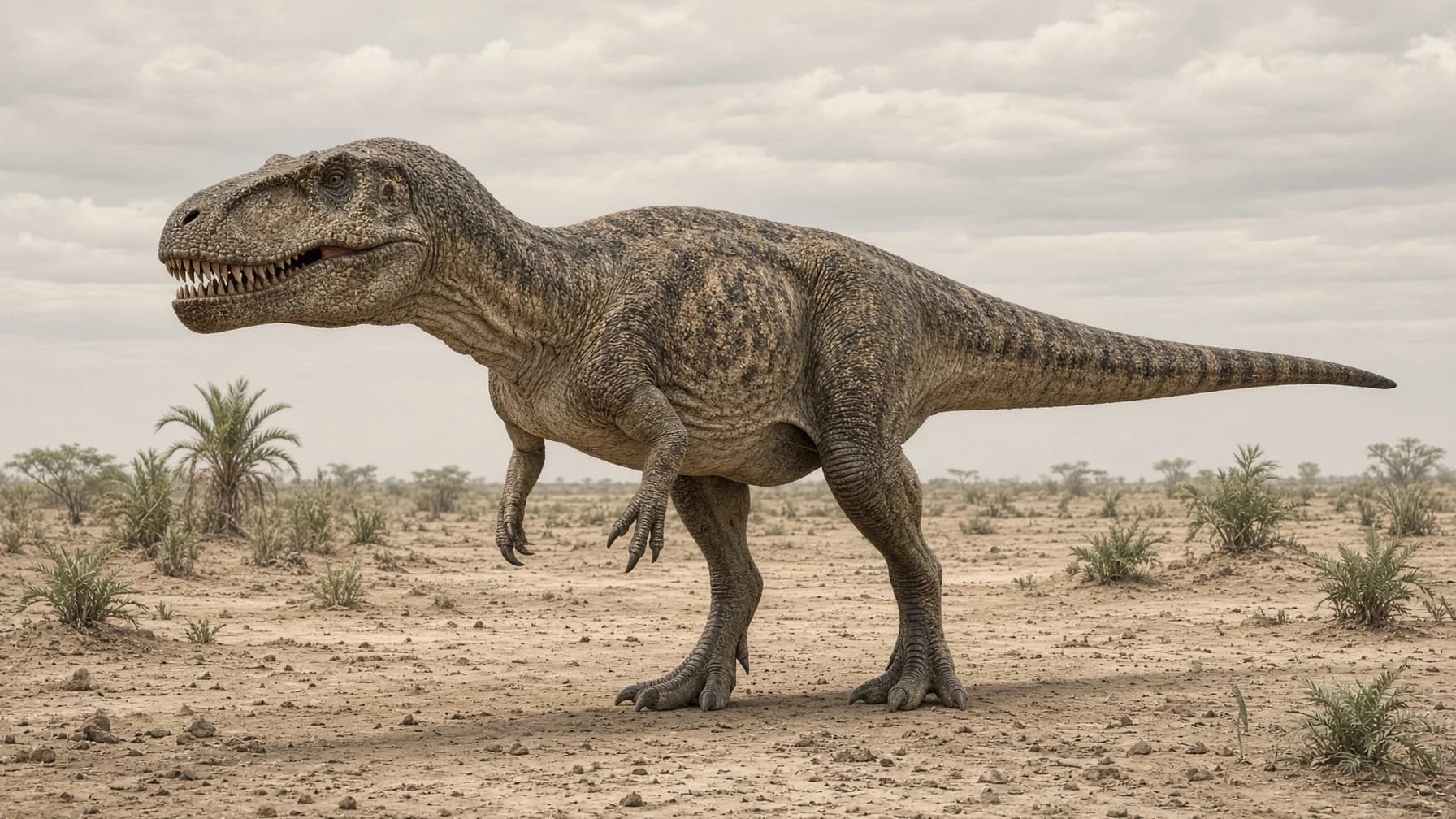
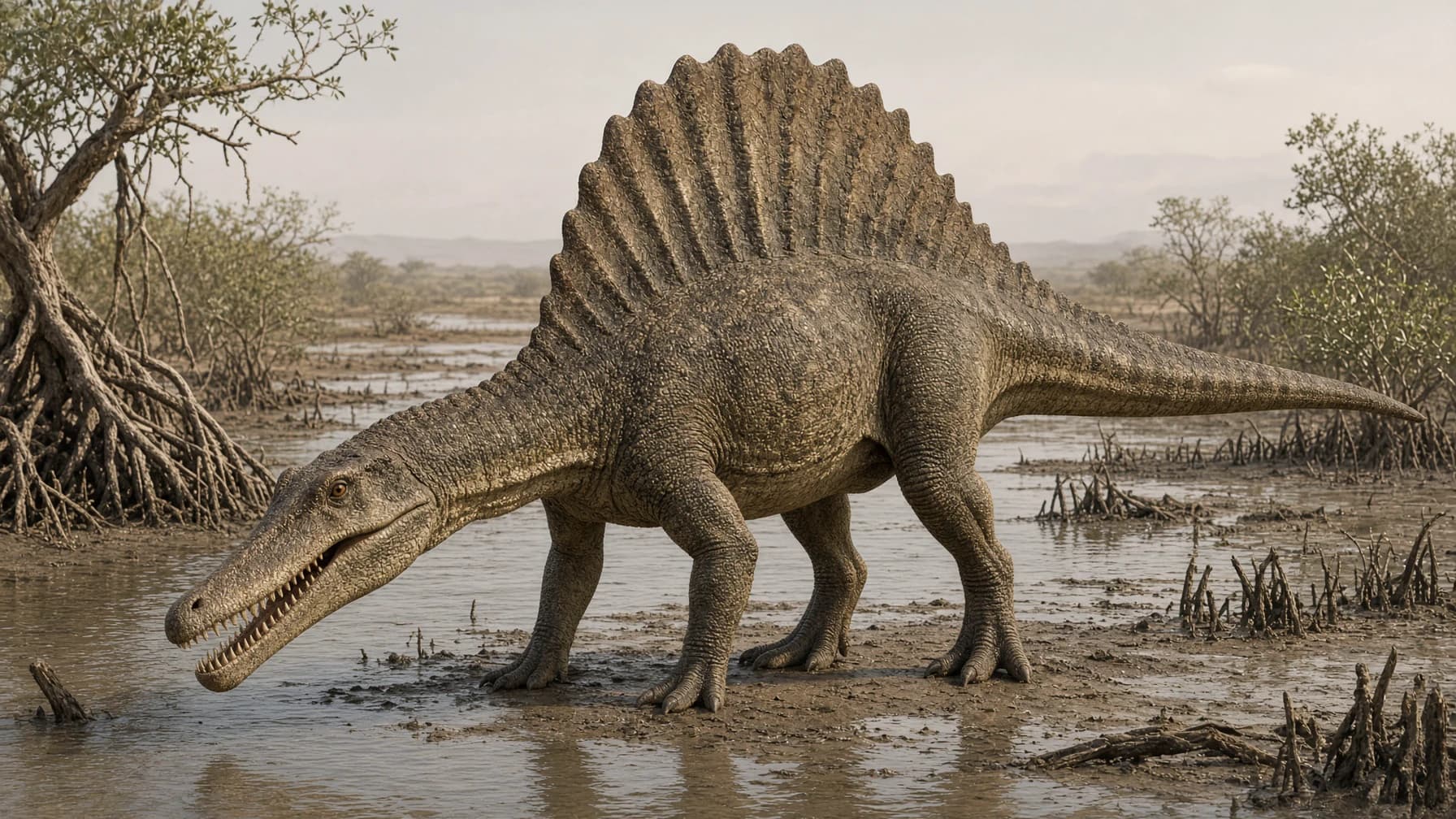
Giganotosaurus is a genus of large theropod dinosaur that lived in what is now Argentina, during the Albian age of the Early Cretaceous period, approximately 111 to 106 million years ago. The holotype specimen was discovered in the Candeleros Formation of Patagonia in 1993 and is almost 70% complete. The animal was named Giganotosaurus carolinii in 1995; the genus name translates to "giant southern lizard", and the specific name honors the discoverer, Ruben Carolini. A dentary bone, a tooth, and some tracks, discovered before the holotype, were later assigned to this animal. The genus attracted much interest and became part of a scientific debate about the maximum sizes of theropod dinosaurs.
Attributes
- Length
- 12.5 m
- Mass
- 8000 kg
- Time range
- 113.2 - 106.3 Ma
- Size class
- Large
- Region
- Argentina
Sources
Facts are drawn from the Paleobiology Database and Wikipedia. Images are reconstructions, not photographs.